Daodejing (Tao Te Ching)
This foundational text of roughly five thousand Chinese characters articulates Daoist metaphysics, ethics, and political minimalism.
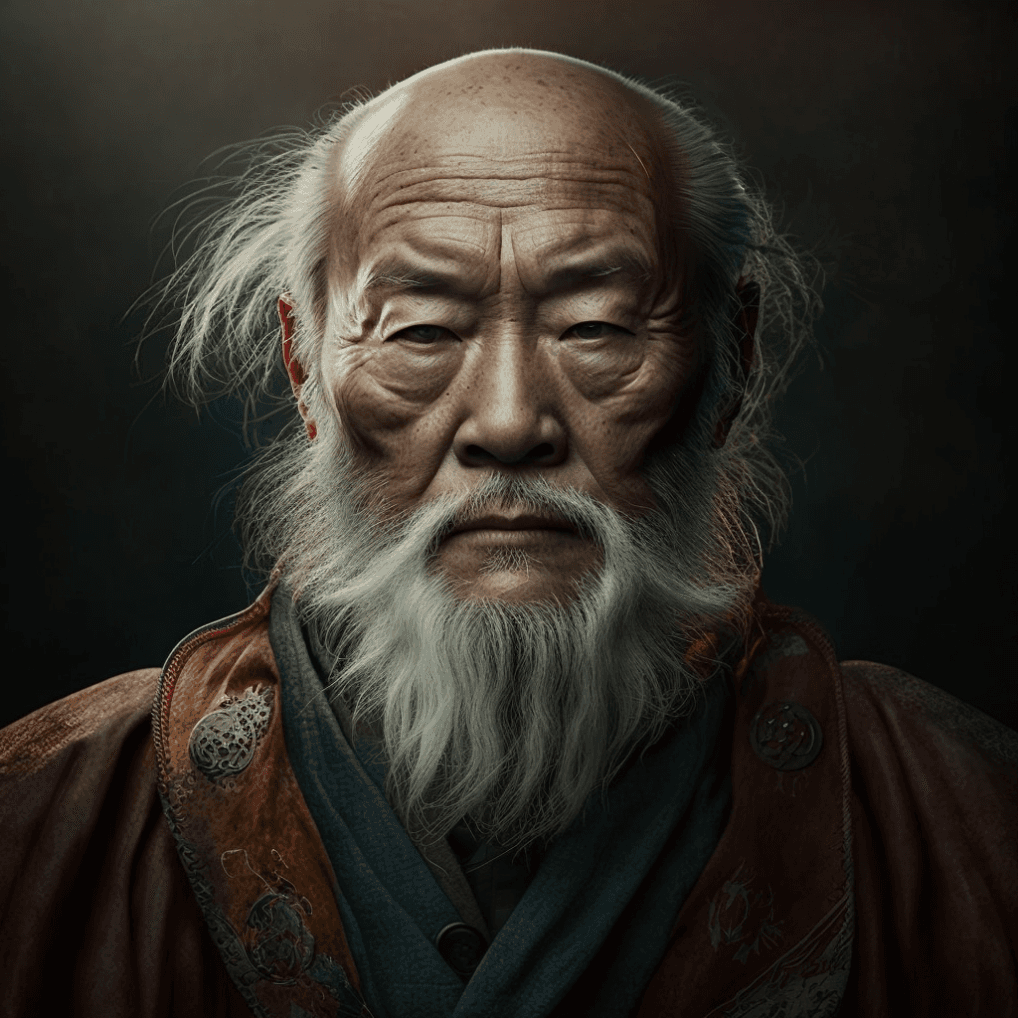
c. 6th century BC
Philosopher • Founder of Taoism
Laozi—que significa 'Viejo Maestro'—es una figura semi-legendaria que se dice que sirvió como guardián de archivos en la corte Zhou. Los relatos tradicionales lo sitúan en el siglo VI a.C., contemporáneo mayor de Confucio, aunque los académicos modernos debaten si fue una persona histórica única o un nombre compuesto asociado a textos en evolución. La obra central vinculada a él, el Daodejing (Tao Te Ching), comprende ochenta y un breves capítulos en verso aforístico.
Su enseñanza se centra en el Dao, la fuente y patrón de todas las cosas, que no puede ser nombrado ni forzado por completo. Laozi aconseja a gobernantes e individuos practicar wu wei—acción no coercitiva alineada con la naturaleza—en lugar de imponer leyes rígidas y ambición. La suavidad supera la dureza, el vacío sostiene utilidad y el deseo distorsiona la percepción. Estas paradojas ofrecieron una alternativa al énfasis confuciano en el ritual, la jerarquía y la cultivación moral activa.
Ya sea que Laozi emigrara hacia el oeste en un búfalo de agua o permaneciera como un fundador simbólico, el Daodejing se convirtió en uno de los textos más traducidos de la literatura mundial. Nutrido el daoísmo religioso, influyó en la pintura y medicina chinas, y llegó a audiencias globales a través de intérpretes desde Richard Wilhelm hasta filósofos modernos.
Momentos clave en la vida y el legado de esta figura
c. 6th century BC
Legends describe Laozi as an archivist in the Zhou dynasty who cultivated humility and withdrew from worldly ambition.
c. 6th–4th century BC
The text likely took shape over centuries, with earliest bamboo-slip versions dating to the late Warring States period.
c. 4th century BC
Later stories portray a meeting between Laozi and Confucius, dramatizing rivalry between Daoist and Confucian ideals.
2nd century BC
Han dynasty interest in Huang-Lao thought elevated Daoist ideas within early Chinese statecraft and religion.
Modern era
The Daodejing became one of the most widely translated Chinese classics, influencing philosophy, psychology, and environmental thought worldwide.
Hitos que definen la contribución de esta figura a la historia
This foundational text of roughly five thousand Chinese characters articulates Daoist metaphysics, ethics, and political minimalism.
Laozi articulated effortless action in harmony with the natural order, a principle that shaped Daoist practice and East Asian aesthetics.
Teachings attributed to him provided the intellectual root for later Daoist schools, alchemy, and meditative disciplines.
Detalles notables sobre esta figura
Cómo esta figura moldeó el mundo que heredamos
El Daodejing de Laozi ofreció una tradición contraria al orden confuciano, privilegiando la espontaneidad, la humildad y la alineación con la naturaleza. Sus ideas permeaban la cultura china y, a través de la traducción, moldearon las discusiones occidentales sobre simplicidad, liderazgo y ecología en el siglo XX y más allá.
Influencia duradera a través de generaciones
Laozi's Daodejing offered a counter-tradition to Confucian order, privileging spontaneity, humility, and alignment with nature. Its ideas permeated Chinese culture and, through translation, shaped Western discussions of simplicity, leadership, and ecology in the twentieth century and beyond. Global Translation (Modern era) remains a defining moment in Laozi's enduring reputation.
Más perfiles de la misma época o campo
Recursos educativos seleccionados para profundizar
Inicia una conversación privada con Historical Collection AI.