Daodejing (Tao Te Ching)
This foundational text of roughly five thousand Chinese characters articulates Daoist metaphysics, ethics, and political minimalism.
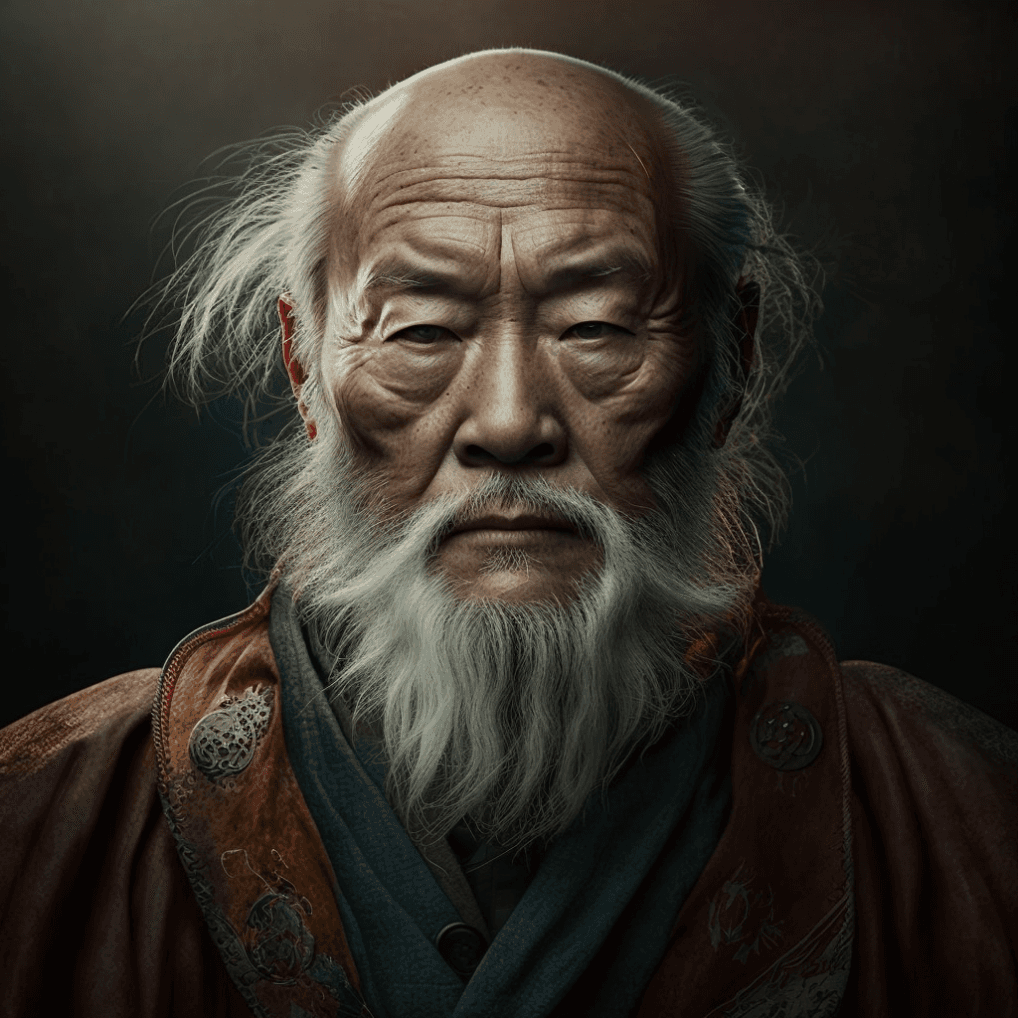
c. 6th century BC
Philosopher • Founder of Taoism
لاوژو—به معنای 'استاد پیر'—شخصیتی نیمهافسانهای است که گفته میشود به عنوان نگهدارنده آرشیوها در دربار ژو خدمت کرده است. روایتهای سنتی او را در قرن ششم قبل از میلاد، همعصر کنفوسیوس قرار میدهند، اگرچه محققان مدرن در مورد اینکه آیا او یک شخص تاریخی واحد بود یا نامی ترکیبی که به متون در حال تحول مرتبط است، بحث میکنند. اثر اصلی مرتبط با او، داودجینگ (Tao Te Ching)، شامل هشتاد و یک فصل کوتاه در قالب آفرینش است.
آموزههای آن بر روی دائو، منبع و الگوی همه چیزها، که نمیتوان به طور کامل نام برد یا به زور تحمیل کرد، متمرکز است. لاوژو به حکمرانان و افراد توصیه میکند که عمل وو وی—عمل غیرقهرآمیز هماهنگ با طبیعت—را تمرین کنند، به جای اینکه قوانین سخت و جاهطلبی را تحمیل کنند. نرمی بر سختی غلبه میکند، خالی بودن مفید است و خواستهها ادراک را تحریف میکنند. این پارادوکسها جایگزینی برای تأکید کنفوسیوس بر آیین، سلسلهمراتب و پرورش اخلاقی فعال ارائه میدهند.
چه لاوژو به سمت غرب با یک گاوآب رفته باشد یا به عنوان بنیانگذار نمادین باقی مانده باشد، داودجینگ به یکی از متون ترجمهشده در ادبیات جهانی تبدیل شد. این متن دین دائوئیسم را تغذیه کرد، بر نقاشی و پزشکی چینی تأثیر گذاشت و از طریق مفسران از ریچارد ویلهلم تا فیلسوفان مدرن به مخاطبان جهانی رسید.
لحظات کلیدی در زندگی و میراث این چهره
c. 6th century BC
Legends describe Laozi as an archivist in the Zhou dynasty who cultivated humility and withdrew from worldly ambition.
c. 6th–4th century BC
The text likely took shape over centuries, with earliest bamboo-slip versions dating to the late Warring States period.
c. 4th century BC
Later stories portray a meeting between Laozi and Confucius, dramatizing rivalry between Daoist and Confucian ideals.
2nd century BC
Han dynasty interest in Huang-Lao thought elevated Daoist ideas within early Chinese statecraft and religion.
Modern era
The Daodejing became one of the most widely translated Chinese classics, influencing philosophy, psychology, and environmental thought worldwide.
نقاط عطفی که سهم این چهره در تاریخ را مشخص میکند
This foundational text of roughly five thousand Chinese characters articulates Daoist metaphysics, ethics, and political minimalism.
Laozi articulated effortless action in harmony with the natural order, a principle that shaped Daoist practice and East Asian aesthetics.
Teachings attributed to him provided the intellectual root for later Daoist schools, alchemy, and meditative disciplines.
جزئیات برجسته درباره این چهره
چگونه این چهره دنیایی را که به ارث بردیم شکل داد
داودجینگ لاوژو به عنوان یک سنت متقابل به نظم کنفوسیوسی، خودجوشی، تواضع و هماهنگی با طبیعت را ارجحیت میدهد. ایدههای آن فرهنگ چینی را نفوذ کرده و از طریق ترجمه، بحثهای غربی دربارهٔ سادگی، رهبری و بومشناسی را در قرن بیستم و فراتر از آن شکل داد.
تأثیر پایدار در نسلها
Laozi's Daodejing offered a counter-tradition to Confucian order, privileging spontaneity, humility, and alignment with nature. Its ideas permeated Chinese culture and, through translation, shaped Western discussions of simplicity, leadership, and ecology in the twentieth century and beyond. Global Translation (Modern era) remains a defining moment in Laozi's enduring reputation.
پروفایلهای بیشتر از همان دوره یا حوزه
منابع آموزشی گزینششده برای مطالعه بیشتر