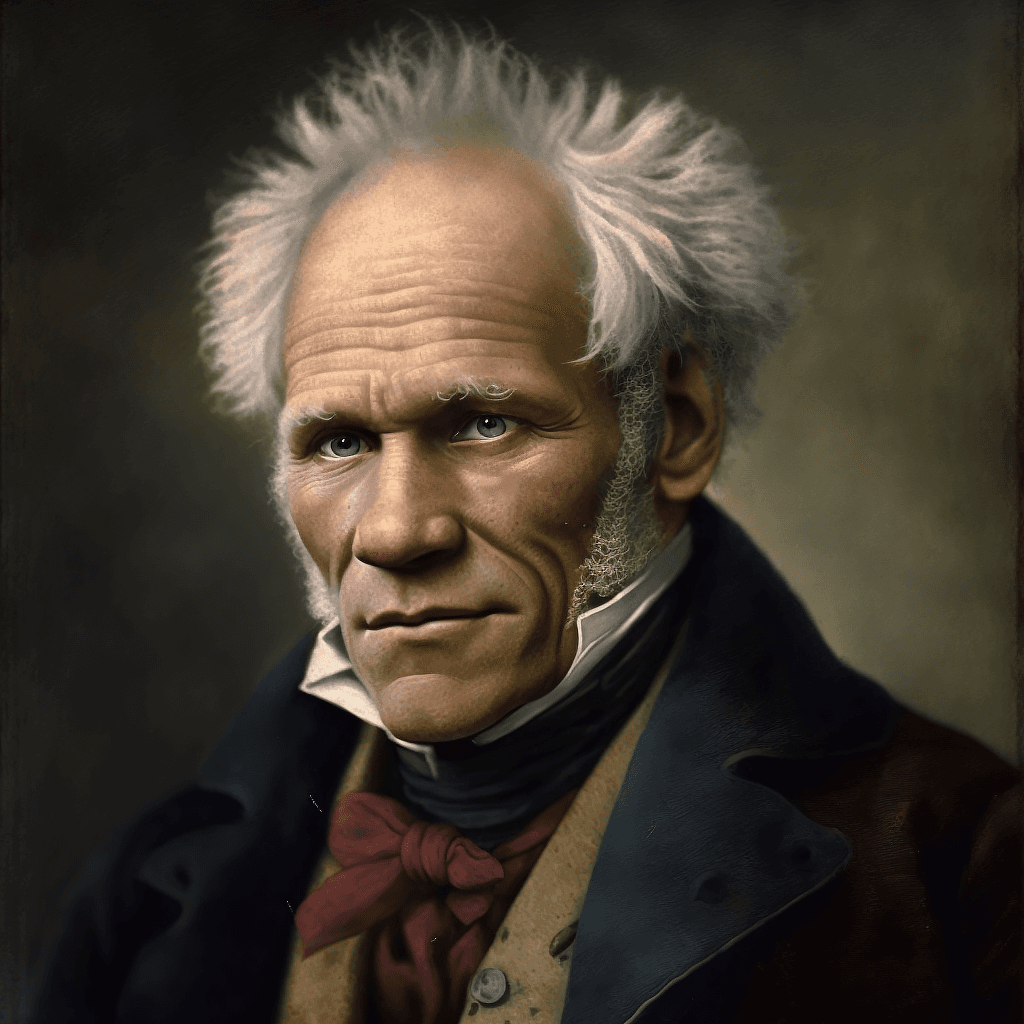
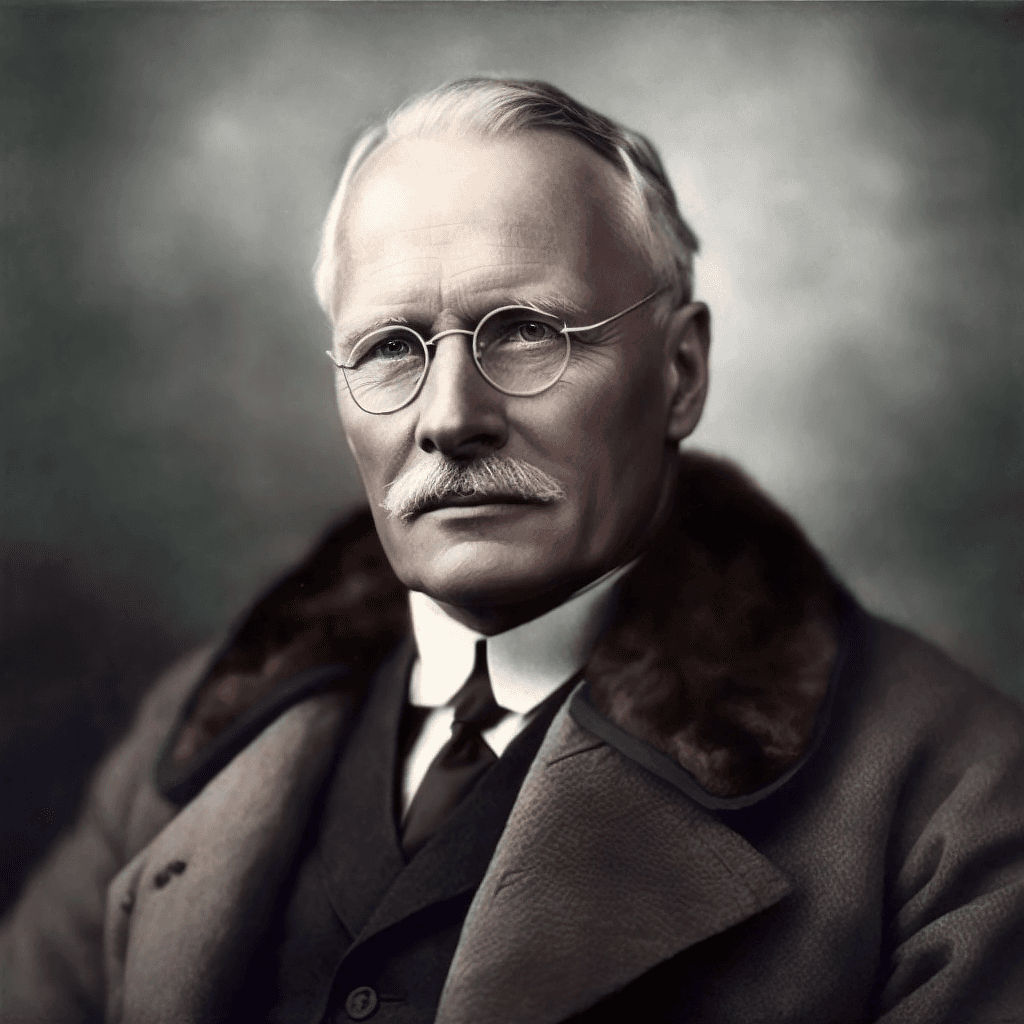
Critique of Anthropomorphic Polytheism
Argued that humans project their own forms onto gods, undermining traditional Greek mythology's moral authority.

c. 570–478 BC
Philosopher • Poet • Critical Thinker
زنوفانس (Xenophanes) در حدود سال ۵۷۰ پیش از میلاد در کولوفون، ایونیا به دنیا آمد و پس از فتح ایرانیان شهرش را ترک کرد و بخش بزرگی از زندگی طولانیاش را به عنوان یک شاعر-فیلسوف مسافر در مستعمرات یونانی سیسیل و ایتالیا جنوبی گذراند. او در سمپوزیومها الژیهای انتقادی را قرائت میکرد و هومر و هزیود را به خاطر نسبت دادن دزدی و زنا به خدایان مورد انتقاد قرار میداد و استدلال میکرد که اگر گاوها میتوانستند نقاشی کنند، خدایان را به شکل گاوها به تصویر میکشیدند.
زنوفانس یک خداوند برتر واحد را پیشنهاد کرد که از نظر جسم یا ذهن با انسانها متفاوت است—'تمام چشم، تمام ذهن، تمام گوش'—که همه چیز را تنها با فکر حرکت میدهد. این نقد الهیاتی پیشاپیش یکتاپرستی فلسفی و طبیعیگرایی علمی را پیشبینی کرد. او همچنین فسیلهای صدفی را در خشکی مشاهده کرد و نتیجه گرفت که زمین زمانی زیر دریا بوده است و بینشهای زمینشناسی اولیهای را ارائه داد.
اگرچه هیچیک از آثار او به طور کامل باقی نمانده است، اما قطعاتی که توسط نویسندگان بعدی نقل شدهاند، تفکری را نشان میدهند که بین شعر و فلسفه پل زده است. او بر مکتب الئاتی تأثیر گذاشت، به ویژه بر پارمنیدس، و حملات او به انساننمایی الهی از طریق سقراط، افلاطون و سنت غربی دین عقلانی طنینانداز شد.
لحظات کلیدی در زندگی و میراث این چهره
c. 570 BCE
Grew up in Ionia during the flourishing of Pre-Socratic inquiry before Persian expansion disrupted the region.
c. 540 BCE
Left Colophon after Persian takeover, performing poetry in Greek cities of Sicily and Magna Graecia.
c. 500 BCE
Wrote satirical elegies and hymns proposing a unified, non-human god governing by mind alone.
c. 480 BCE
Noted marine fossils inland, inferring geological change—a rare empirical insight in early Greek thought.
c. 478 BCE
Tradition places his long life at roughly a century; fragments preserved by Simplicius and others ensured his posthumous influence.
نقاط عطفی که سهم این چهره در تاریخ را مشخص میکند
Argued that humans project their own forms onto gods, undermining traditional Greek mythology's moral authority.
Described a single greatest god unlike mortals, moving the divine toward abstract unity and moral perfection.
Interpreted fossil impressions of seaweed and fish as evidence that land was once submerged, anticipating paleontology.
His rational method and emphasis on unity influenced Parmenides and the development of metaphysics.
جزئیات برجسته درباره این چهره
چگونه این چهره دنیایی را که به ارث بردیم شکل داد
زنوفانس راه را از داستانسرایی اسطورهای به الهیات انتقادی و توضیحات طبیعی گشود. تأکید او بر اینکه دانش از طریق کاوش به جای سنت رشد میکند، بر تولد فلسفه غرب تأثیر گذاشت و همچنان به بحثها درباره دین، علم و محدودیتهای پیشبینی انسانی در توصیف الهی شکل میدهد.
تأثیر پایدار در نسلها
Xenophanes opened the path from mythic storytelling to critical theology and natural explanation. His insistence that knowledge grows through inquiry rather than tradition influenced the birth of Western philosophy and continues to inform debates about religion, science, and the limits of human projection in describing the divine. Death in Elea or Syracuse (c. 478 BCE) remains a defining moment in Xenophanes's enduring reputation.
پروفایلهای بیشتر از همان دوره یا حوزه
منابع آموزشی گزینششده برای مطالعه بیشتر