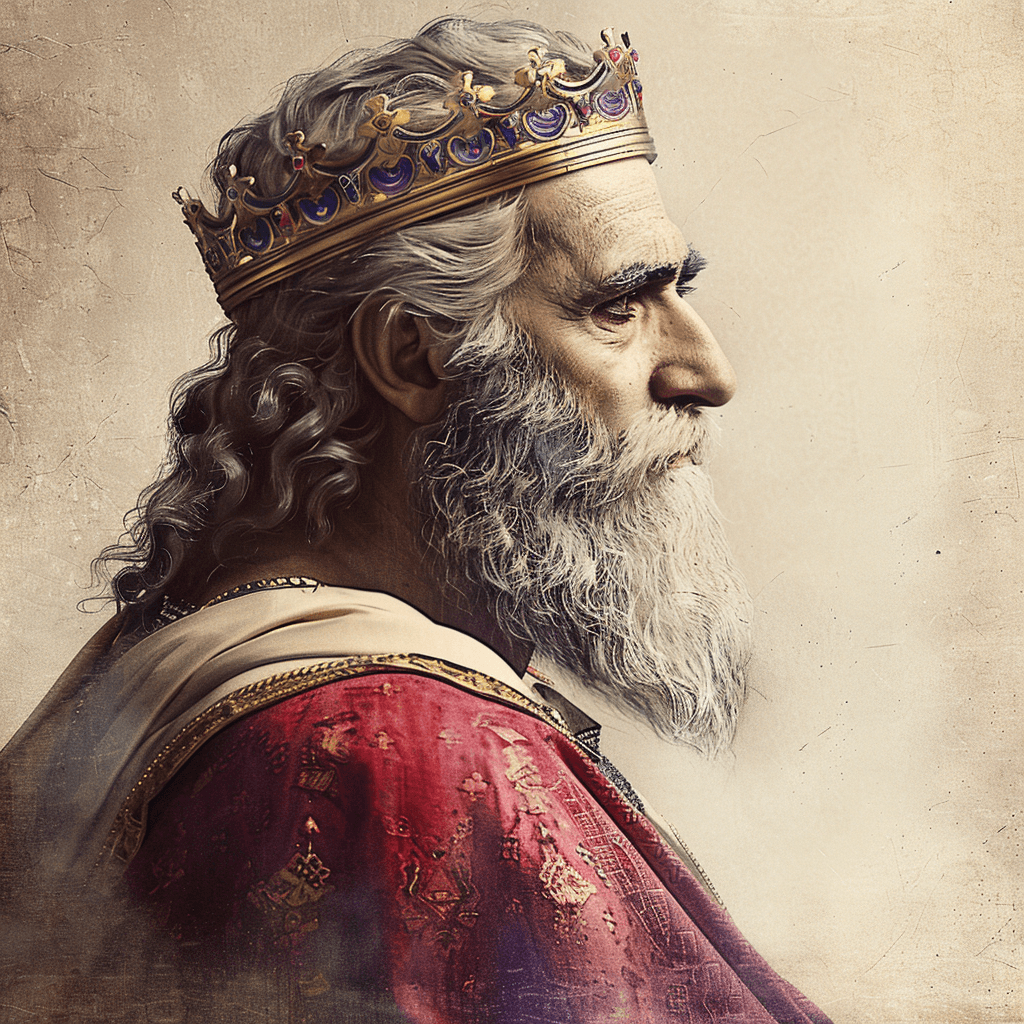
Amarna Co-Rulership
As Akhenaten's principal queen, Nefertiti appeared prominently in temple reliefs and may have shared governing authority during the Aten cult.
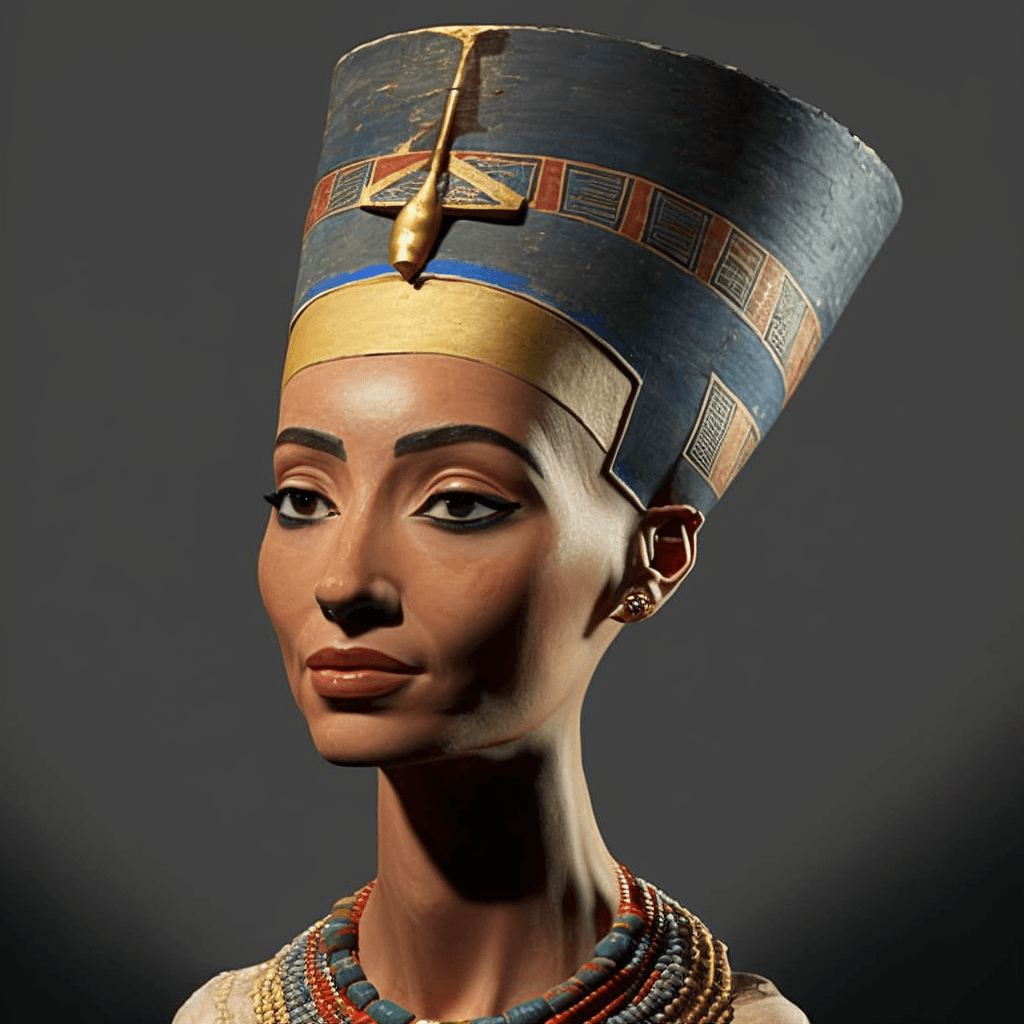
c. 1370–1330 BC
Queen • Icon of Ancient Egypt
Nefertiti était la Grande Épouse Royale du pharaon Akhenaton, qui a régné sur l'Égypte vers 1353-1336 av. J.-C. pendant le Nouvel Empire. Son nom signifie 'la belle est venue.' Ensemble, ils ont déplacé la cour de Thèbes vers une nouvelle capitale, Akhetaton (Amarna), et ont promu le culte du disque solaire Aten au-dessus du panthéon traditionnel — un changement théologique bref mais radical dans l'histoire égyptienne.
L'art d'Amarna représente Nefertiti avec des traits allongés et une prestance royale, souvent aux côtés d'Akhenaton et de leurs filles sous les rayons d'Aten. Elle a peut-être exercé une influence politique significative ; certains chercheurs suggèrent qu'elle a servi comme co-régente ou même brièvement comme pharaon après la mort d'Akhenaton sous le nom de Neferneferuaten, bien que les preuves restent contestées. Son destin après la période d'Amarna est inconnu ; la cour est revenue aux dieux traditionnels sous Toutankhamon.
Le buste en calcaire peint découvert en 1912 à Amarna par l'archéologue allemand Ludwig Borchardt est devenu une icône mondiale de la beauté ancienne. Qu'il soit interprété comme de la propagande ou du portrait, Nefertiti incarne l'expérimentation artistique et religieuse du règne d'Akhenaton.
Moments clés de la vie et de l'héritage de cette figure
c. 1370 BC
Nefertiti became Great Royal Wife of Amenhotep IV, who later took the name Akhenaten.
c. 1345 BC
The royal couple established a new capital dedicated to the sun god Aten in Middle Egypt.
c. 1340 BC
Temples and tombs at Amarna depicted the royal family worshipping Aten in intimate, revolutionary styles.
1912
Ludwig Borchardt's team uncovered the painted bust in the workshop of sculptor Thutmose at Amarna.
Jalons qui définissent la contribution de cette figure à l'histoire
As Akhenaten's principal queen, Nefertiti appeared prominently in temple reliefs and may have shared governing authority during the Aten cult.
She participated in the shift toward monotheistic solar worship that temporarily displaced Egypt's traditional priesthoods.
Sculptors under her court developed naturalistic, family-centered imagery distinct from earlier rigid royal portraiture.
The 1912 Berlin bust, with its symmetrical face and blue crown, became one of the most reproduced artifacts of antiquity.
Détails notables sur cette figure
Comment cette figure a façonné le monde que nous avons hérité
L'image de Nefertiti ancre la fascination publique pour l'expérience religieuse d'Akhenaton et la liberté artistique de la période d'Amarna. Les débats sur son rôle politique et sa disparition illustrent comment l'égyptologie reconstruit le pouvoir des femmes à partir d'inscriptions fragmentaires et de sculptures.
Influence durable à travers les générations
Nefertiti's image anchors public fascination with Akhenaten's religious experiment and the artistic freedom of the Amarna period. Debates over her political role and disappearance illustrate how Egyptology reconstructs women's power from fragmentary inscriptions and sculpture. Bust Excavated (1912) remains a defining moment in Nefertiti's enduring reputation.
D'autres profils de la même époque ou du même domaine
Ressources éducatives sélectionnées pour approfondir
Entamez une conversation privée via Historical Collection AI.