Humanized the Modern Monarchy
Introduced warmth, accessibility, and emotional candor to a institution long defined by formality and reserve.
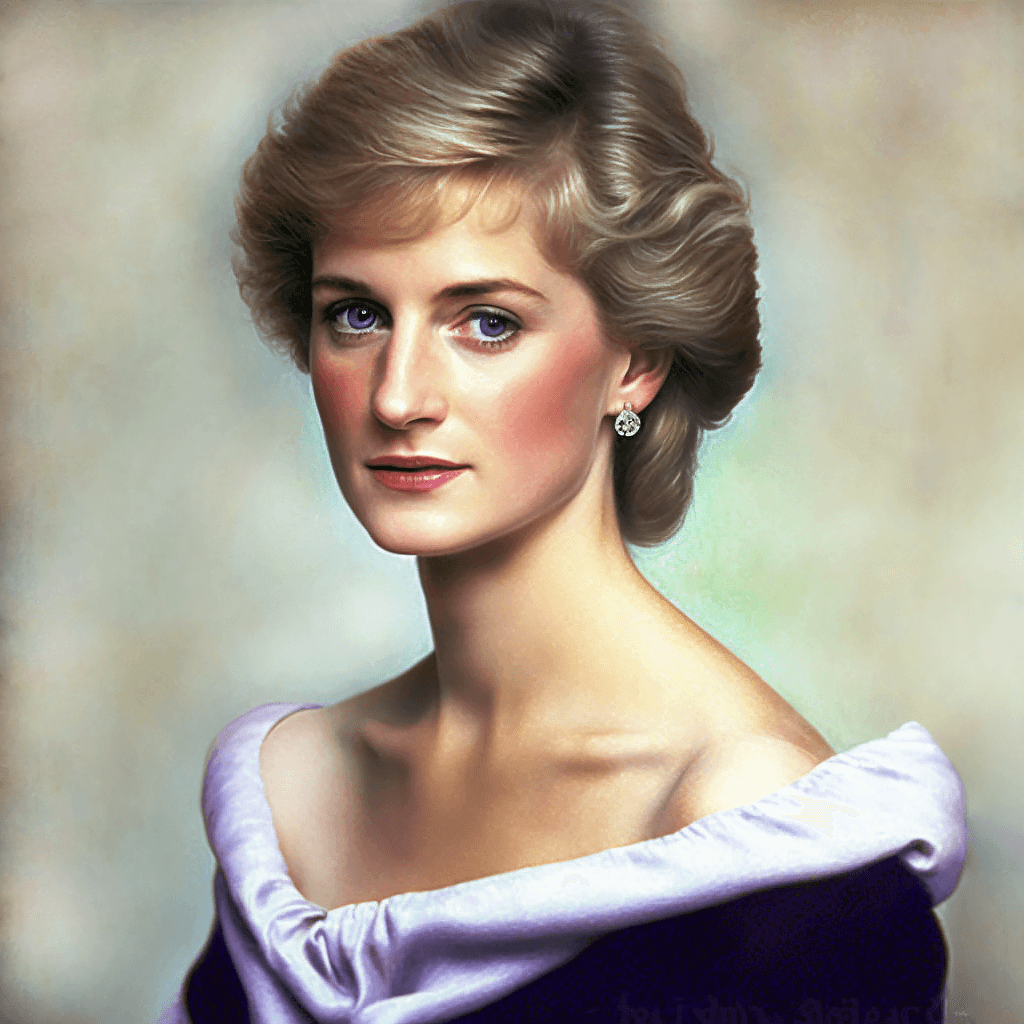
1961–1997
Princess • Humanitarian • Global Icon
Lady Diana Spencer est née en 1961 dans une famille aristocratique anglaise et est devenue Diana, Princesse de Galles, en épousant le prince Charles en 1981 devant une audience télévisée mondiale estimée à 750 millions. Son rôle initial suivait la convention royale, mais elle s'est rapidement distinguée par un contact informel avec le public et une volonté de parler ouvertement de ses luttes personnelles.
Diana a utilisé sa visibilité pour défier la stigmatisation autour du VIH/SIDA, serrant la main de patients à l'hôpital Middlesex de Londres sans gants en 1987. Elle a défendu les refuges pour sans-abri, le traitement de la lèpre et—plus particulièrement—la campagne pour interdire les mines terrestres, marchant à travers des champs de mines déminés en Angola en 1997 quelques mois avant sa mort.
Sa séparation et son divorce d'avec Charles dans les années 1990 ont dominé les gros titres, mais elle a conservé une énorme affection du public. Lorsqu'elle est morte dans un accident de voiture à Paris le 31 août 1997, un déferlement sans précédent de chagrin a contraint la famille royale à adapter sa communication et sa distance émotionnelle, modifiant de manière permanente la façon dont la monarchie se rapporte au public britannique.
Moments clés de la vie et de l'héritage de cette figure
1961
Raised on the Queen's estate, attending boarding school before working as a nursery assistant and kindergarten teacher.
1981
St. Paul's Cathedral wedding broadcast worldwide, making Diana an instant global celebrity and future queen consort in waiting.
1987
Shook hands with HIV-positive patients at Middlesex Hospital, challenging myths that the disease spread through casual contact.
1996
Ended marriage to Charles while retaining the title Princess of Wales and continuing independent charitable work.
1997
Killed in a car crash in the Pont de l'Alma tunnel; her funeral drew an estimated 2.5 billion television viewers worldwide.
Jalons qui définissent la contribution de cette figure à l'histoire
Introduced warmth, accessibility, and emotional candor to a institution long defined by formality and reserve.
Her hospital visits and public statements helped shift perceptions of HIV/AIDS at a time when fear and misinformation were widespread.
Her advocacy in Bosnia and Angola drew global attention to unexploded ordnance, contributing to momentum toward the 1997 Ottawa Treaty.
Patron of numerous charities including Centrepoint, using royal platform to spotlight youth homelessness and mental health.
Détails notables sur cette figure
Comment cette figure a façonné le monde que nous avons hérité
Diana a démontré qu'une figure royale pouvait exercer une autorité morale en dehors des rôles cérémoniels traditionnels. Son travail caritatif a changé les attitudes publiques envers le VIH/SIDA et les mines terrestres, tandis que sa mort a provoqué une crise de confiance dans la monarchie qui a accéléré sa modernisation et son engagement plus ouvert avec la société britannique.
Influence durable à travers les générations
Diana demonstrated that a royal figure could wield moral authority outside traditional ceremonial roles. Her charity work changed public attitudes toward AIDS and landmines, while her death prompted a crisis of confidence in the monarchy that accelerated its modernization and more open engagement with British society. Death in Paris (1997) remains a defining moment in Princess Diana's enduring reputation.
D'autres profils de la même époque ou du même domaine
Ressources éducatives sélectionnées pour approfondir
Entamez une conversation privée via Historical Collection AI.