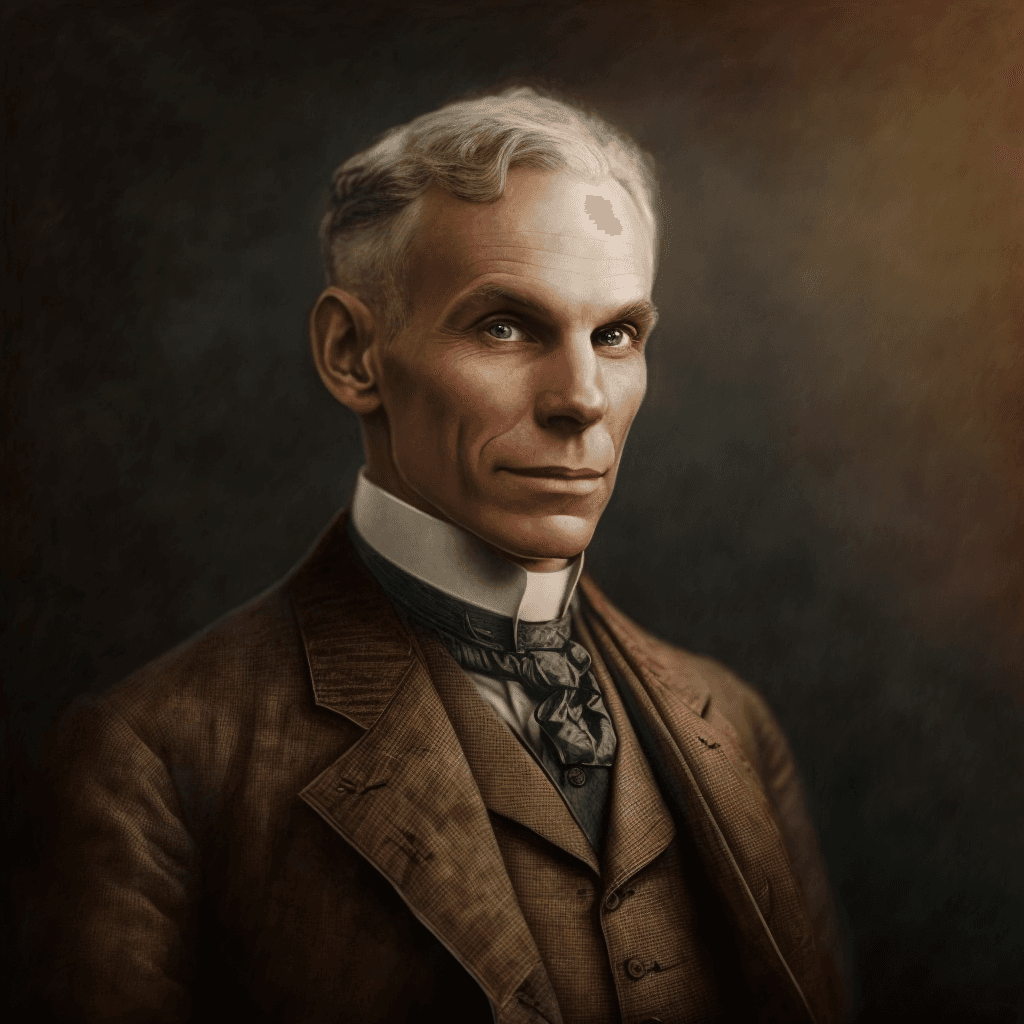
Founded Scuderia Ferrari
Established the racing team in 1929 that became Formula One's most successful constructor.
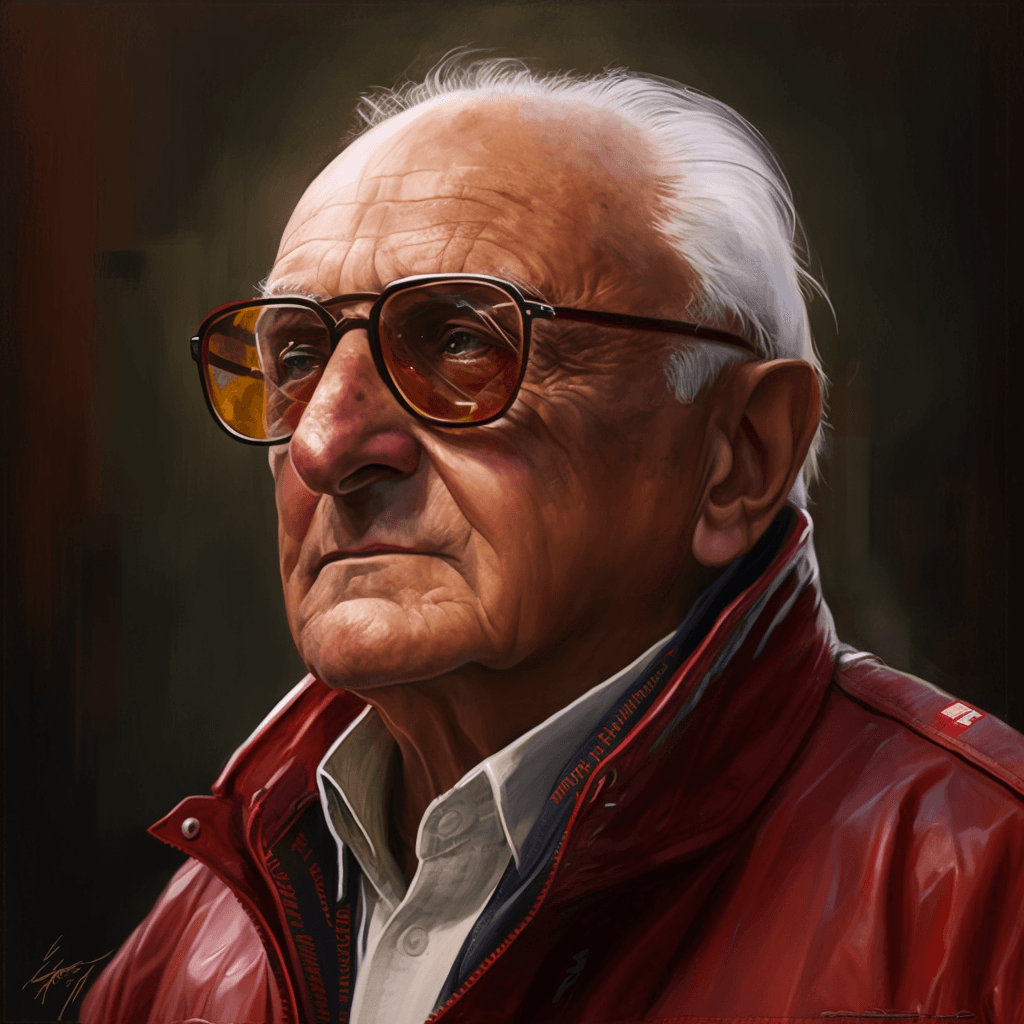
1898–1988
Racing Driver • Founder of Ferrari
Enzo Anselmo Ferrari was born on 18 February 1898 in Modena, Italy, though his birth was officially registered on 20 February because a heavy snowstorm delayed his father's visit to the registrar. He lost his father and brother in the 1916 flu epidemic and was discharged from the Italian Army after World War I illness, finding work as a test driver for a Milan automobile company. Ferrari raced for Alfa Romeo, managed their competition department, and formed Scuderia Ferrari in 1929 as a semi-independent racing stable that prepared Alfas for wealthy amateur drivers. His eye for talent spotted drivers who would define eras, and his personality—charismatic, secretive, superstitious, and ruthless with underperformers—became legend in the paddock.
After falling out with Alfa Romeo's leadership, Ferrari built his own factory at Maranello in 1943 and emerged after World War II producing the first car bearing his name, the 125 S, in 1947. He prioritized racing victories over commercial volume, selling road cars mainly to fund competition, yet the prancing horse badge became a global symbol of speed and luxury. Ferrari drivers including Alberto Ascari, Juan Manuel Fangio, Niki Lauda, and Gilles Villeneuve won world championships while Enzo wielded absolute authority, earning the nickname "Il Commendatore." He endured personal tragedy when his son Dino died of muscular dystrophy in 1956, naming the Dino model line in his memory. Business battles with Ford after a failed takeover attempt and with Fiat after selling a stake in 1969 never diminished his obsession with Italian independence on the track.
Ferrari rarely left Modena, avoided publicity except on his terms, and watched races through dark glasses even as age confined him. He died on 14 August 1988 in Maranello at ninety, one day after Fiat acquired additional shares and weeks before McLaren-Honda dominated Formula One—an irony he might have hated. The Ferrari brand he created transcended automotive engineering to become cultural shorthand for excellence, exclusivity, and the romance of red racing cars. Enzo's life linked artisan workshop culture to global capitalism, proving that a single uncompromising vision could outlast governments and fashion cycles alike.
1898 — Born in Modena. Raised in Emilia-Romagna, the region that would become Italy's motor valley.
1929 — Scuderia Ferrari Founded. Organized Alfa Romeo's racing stable before building independent cars.
1947 — First Ferrari Automobile. Produced the 125 S at Maranello, beginning the Ferrari road and race car lineage.
1956 — Death of Dino Ferrari. Lost his son Alfredo, whose name later appeared on Ferrari model lines.
1988 — Death in Maranello. Died at ninety as Ferrari remained the most iconic name in motorsport.
Key moments across this figure's life and legacy
1898
Raised in Emilia-Romagna, the region that would become Italy's motor valley.
1929
Organized Alfa Romeo's racing stable before building independent cars.
1947
Produced the 125 S at Maranello, beginning the Ferrari road and race car lineage.
1956
Lost his son Alfredo, whose name later appeared on Ferrari model lines.
1988
Died at ninety as Ferrari remained the most iconic name in motorsport.
Landmarks that define this figure's contribution to history
Established the racing team in 1929 that became Formula One's most successful constructor.
Built the postwar Ferrari factory and the first Ferrari-badged automobile in 1947.
Oversaw numerous world championships across decades of Formula One and sports car racing.
Created luxury performance vehicles whose brand became synonymous with Italian automotive prestige.
Notable details about this historical figure
How this figure shaped the world we inherit
Enzo Ferrari fused competitive racing with luxury manufacturing, creating a business model and cultural mythology that elevated automobiles to art and national identity. Formula One and global car culture still measure prestige against the standards he set at Maranello.
Enduring influence across generations
Enzo Ferrari fused competitive racing with luxury manufacturing, creating a business model and cultural mythology that elevated automobiles to art and national identity. Formula One and global car culture still measure prestige against the standards he set at Maranello. Death in Maranello (1988) remains a defining moment in Enzo Ferrari's enduring reputation.
Explore more profiles from the same era or field
Curated educational resources for further study
Start a private conversation and explore their wisdom through Historical Collection AI.