Honda Motor Company
Founded and scaled Honda from postwar bicycle engines into a global automotive and motorcycle giant.
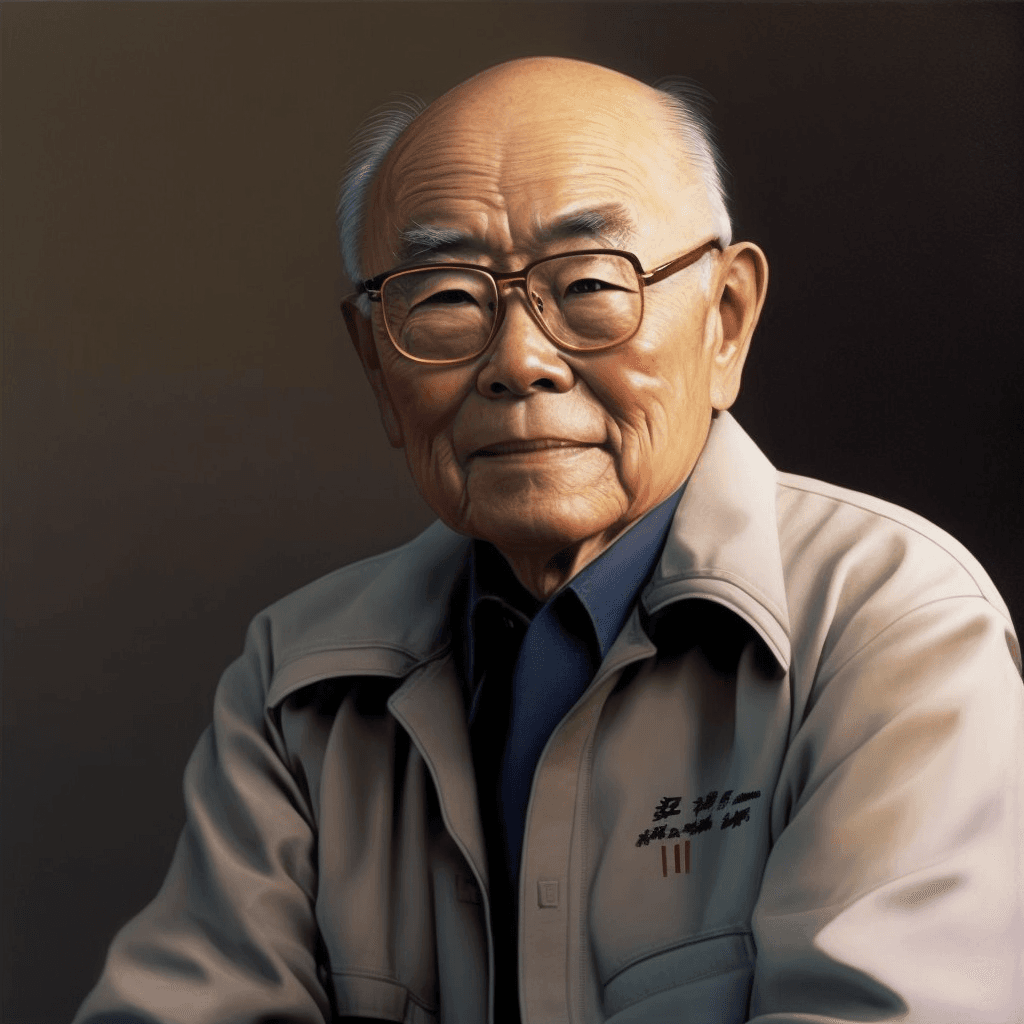
1906–1991
Engineer • Founder of Honda Motor Company
Soichiro Honda was born on 17 November 1906 in Tenryu, Shizuoka Prefecture, the son of a blacksmith and bicycle repairman who instilled mechanical curiosity early. He left school to apprentice at an Tokyo auto repair shop, eventually opening his own garage and designing piston rings—a venture that failed quality tests at Toyota before he returned to school at fifty to refine metallurgy. World War II destruction of his factories and personal health crises might have ended lesser careers, but Honda viewed defeat as occasion to rebuild with new products suited to Japan's impoverished postwar roads.
In 1948 he founded Honda Motor Co., attaching small engines to bicycles when fuel and cars remained scarce, then producing the Super Cub motorcycle whose step-through frame and reliable four-stroke engine became the world's best-selling motor vehicle. Honda pursued racing to test engineering publicly, entering Isle of Man TT and later Formula One, believing competition accelerated innovation. He expanded into automobiles in the 1960s with models such as the Civic and Accord, emphasizing fuel efficiency and quality control methods that challenged American and European dominance. His management style blended hands-on workshop presence with blunt speech; he mocked executives who never dirtied their hands and insisted engineers observe customers directly.
Honda retired from presidency in 1973 but remained an adviser until his death on 5 August 1991 in Tokyo. The company he built became synonymous with motorcycles in developing nations and with reliable cars in global markets, while Honda power equipment—from generators to outboard motors—spread his engines into construction sites and fishing villages worldwide. Business schools study his willingness to fail publicly and iterate, contrasting with risk-averse corporate cultures. In Japan he symbolized postwar recovery through manufacturing excellence rather than zaibatsu conglomerate tradition. Environmental historians note that early fuel-efficient Hondas preceded later regulatory pushes, and the Super Cub remains an icon of affordable mobility from Southeast Asia to Africa.
1906 — Born in Shizuoka. Born in rural Japan into a blacksmith's family near Hamamatsu.
1937 — Tokai Seiki Founded. Established a piston ring company after apprenticing in auto repair.
1948 — Honda Motor Co.. Co-founded the company that began with motorized bicycles.
1958 — Super Cub Released. Introduced the step-through motorcycle that became a global bestseller.
1991 — Death in Tokyo. Died after guiding one of Japan's most successful independent manufacturers.
Key moments across this figure's life and legacy
1906
Born in rural Japan into a blacksmith's family near Hamamatsu.
1937
Established a piston ring company after apprenticing in auto repair.
1948
Co-founded the company that began with motorized bicycles.
1958
Introduced the step-through motorcycle that became a global bestseller.
1991
Died after guiding one of Japan's most successful independent manufacturers.
Landmarks that define this figure's contribution to history
Founded and scaled Honda from postwar bicycle engines into a global automotive and motorcycle giant.
Developed the world's best-selling motor vehicle, bringing affordable transport to millions.
Used motorsport from motorcycles to Formula One as a laboratory for performance and reliability.
Launched Civic and Accord lines that established Honda as a major international carmaker.
Notable details about this historical figure
How this figure shaped the world we inherit
Honda helped define Japan's postwar industrial reputation for quality and efficiency, democratizing motorized transport through motorcycles and compact cars exported worldwide. His emphasis on engineering experimentation and customer-focused design influenced automotive manufacturing cultures beyond Japan and made affordable mobility part of twentieth-century global development.
Enduring influence across generations
Honda helped define Japan's postwar industrial reputation for quality and efficiency, democratizing motorized transport through motorcycles and compact cars exported worldwide. His emphasis on engineering experimentation and customer-focused design influenced automotive manufacturing cultures beyond Japan and made affordable mobility part of twentieth-century global development. Death in Tokyo (1991) remains a defining moment in Soichiro Honda's enduring reputation.
Explore more profiles from the same era or field
Curated educational resources for further study
Start a private conversation and explore their wisdom through Historical Collection AI.