The Iliad
Composed the epic of Troy that defines Western treatments of heroism, fate, and grief.
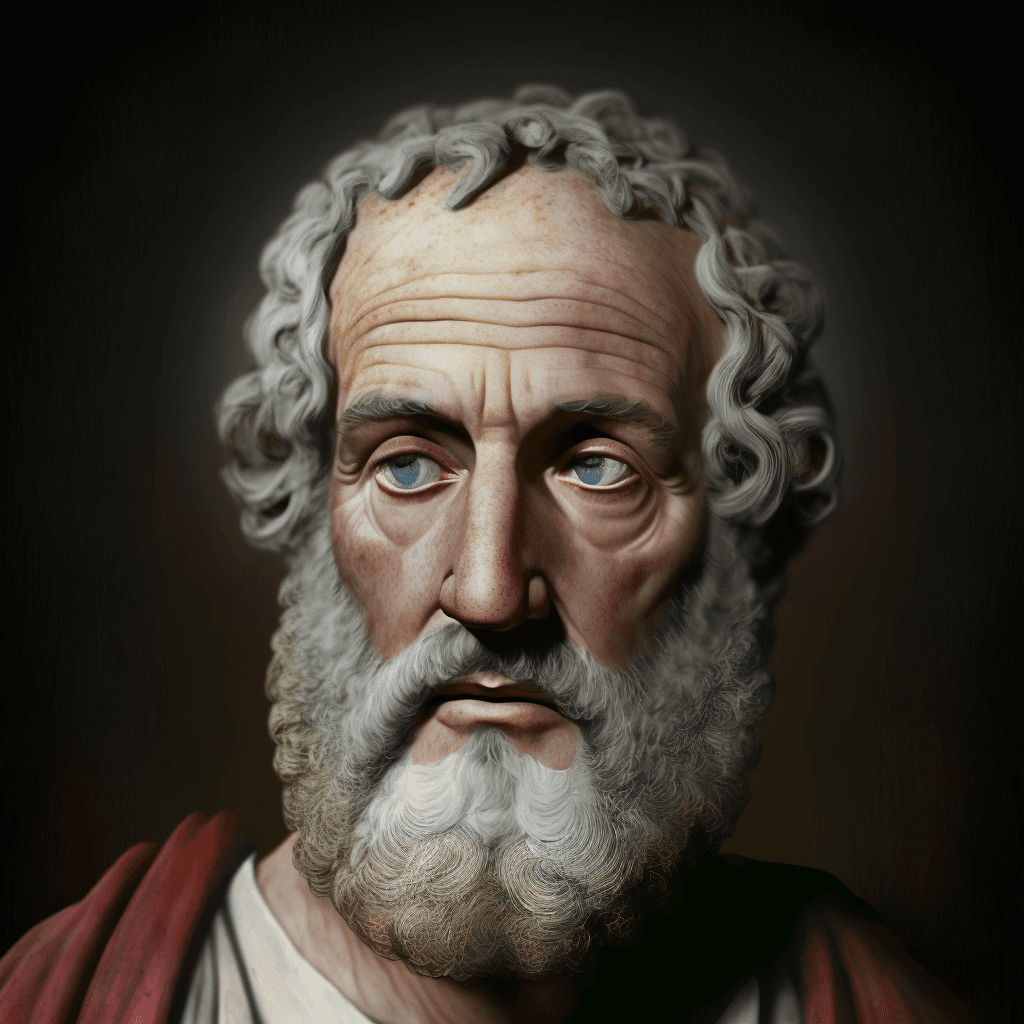
c. 8th century BC
Epic Poet • Author of the Iliad and Odyssey
Homer is the name attached to two epic poems that crystallized Greek heroic tradition sometime between the eighth and seventh centuries BC, though ancient biographies and modern scholars disagree whether a single bard, a lineage of singers, or a collective tradition produced them. The Greeks themselves placed Homer in Ionia— perhaps Chios or Smyrna— and imagined a blind poet who had witnessed or channeled the age of heroes. What survives are not historical records but 28,000 lines of dactylic hexameter that shaped how Mediterranean cultures remembered war, exile, and divine caprice.
The Iliad concentrates on Achilles' wrath during weeks of the Trojan War, exploring honor, mortality, and pity through battles, speeches, and Hector's death. The Odyssey follows Odysseus's ten-year return from Troy through Cyclops, Circe, the underworld, and a homecoming that requires disguise and vengeance. Both poems draw on older oral formulas— epithets, type-scenes, repeated lines— refined into narratives of psychological depth that later Greeks treated as moral and educational canon.
Alexandrian editors stabilized the texts around the second century BC, and Roman poets from Virgil onward responded to Homer's authority. Every subsequent epic tradition in Europe, from Dante to Milton to Joyce, negotiates with Homer as origin. Whether or not he lived as an individual, 'Homer' names the moment when spoken song became the literary bedrock of an entire civilization.
c. 8th century BC — Epic Composition. Iliad and Odyssey likely crystallized from oral tradition in archaic Greece.
c. 776 BC — Panhellenic Context. Homeric poems circulated as Greeks gathered for festivals and colonization.
c. 6th century BC — Athenian Recitations. Peisistratid Athens reportedly organized rhapsodic performances of Homeric verse.
c. 2nd century BC — Alexandrian Standardization. Scholars in Alexandria edited and copied texts that became the received versions.
Key moments across this figure's life and legacy
c. 8th century BC
Iliad and Odyssey likely crystallized from oral tradition in archaic Greece.
c. 776 BC
Homeric poems circulated as Greeks gathered for festivals and colonization.
c. 6th century BC
Peisistratid Athens reportedly organized rhapsodic performances of Homeric verse.
c. 2nd century BC
Scholars in Alexandria edited and copied texts that became the received versions.
Landmarks that define this figure's contribution to history
Composed the epic of Troy that defines Western treatments of heroism, fate, and grief.
Narrated Odysseus's wanderings, establishing the archetype of the long homecoming journey.
Fixed oral poetic formulas into written works that became Greek educational core.
Unified scattered legends of Achilles, Odysseus, and the Trojan War into coherent narratives.
Notable details about this historical figure
How this figure shaped the world we inherit
Homer supplied the stories, similes, and ethical dilemmas that educated Greeks and Romans for a millennium. Alexander the Great slept with the Iliad under his pillow; Virgil modeled the Aeneid on both poems; Joyce structured Ulysses around Odysseus's wanderings. Archaeology may debate Troy's walls, but literature's debt to Homeric imagination remains immeasurable.
Enduring influence across generations
Homer supplied the stories, similes, and ethical dilemmas that educated Greeks and Romans for a millennium. Alexander the Great slept with the Iliad under his pillow; Virgil modeled the Aeneid on both poems; Joyce structured Ulysses around Odysseus's wanderings. Archaeology may debate Troy's walls, but literature's debt to Homeric imagination remains immeasurable. Alexandrian Standardization (c. 2nd century BC) remains a defining moment in Homer's enduring reputation.
Explore more profiles from the same era or field
Curated educational resources for further study
Start a private conversation and explore their wisdom through Historical Collection AI.