Thus Spoke Zarathustra
Composed a philosophical novel in prophetic prose introducing the Übermensch and eternal recurrence.
Discover
Explore influential historical figures from science, philosophy, leadership, art, and culture.
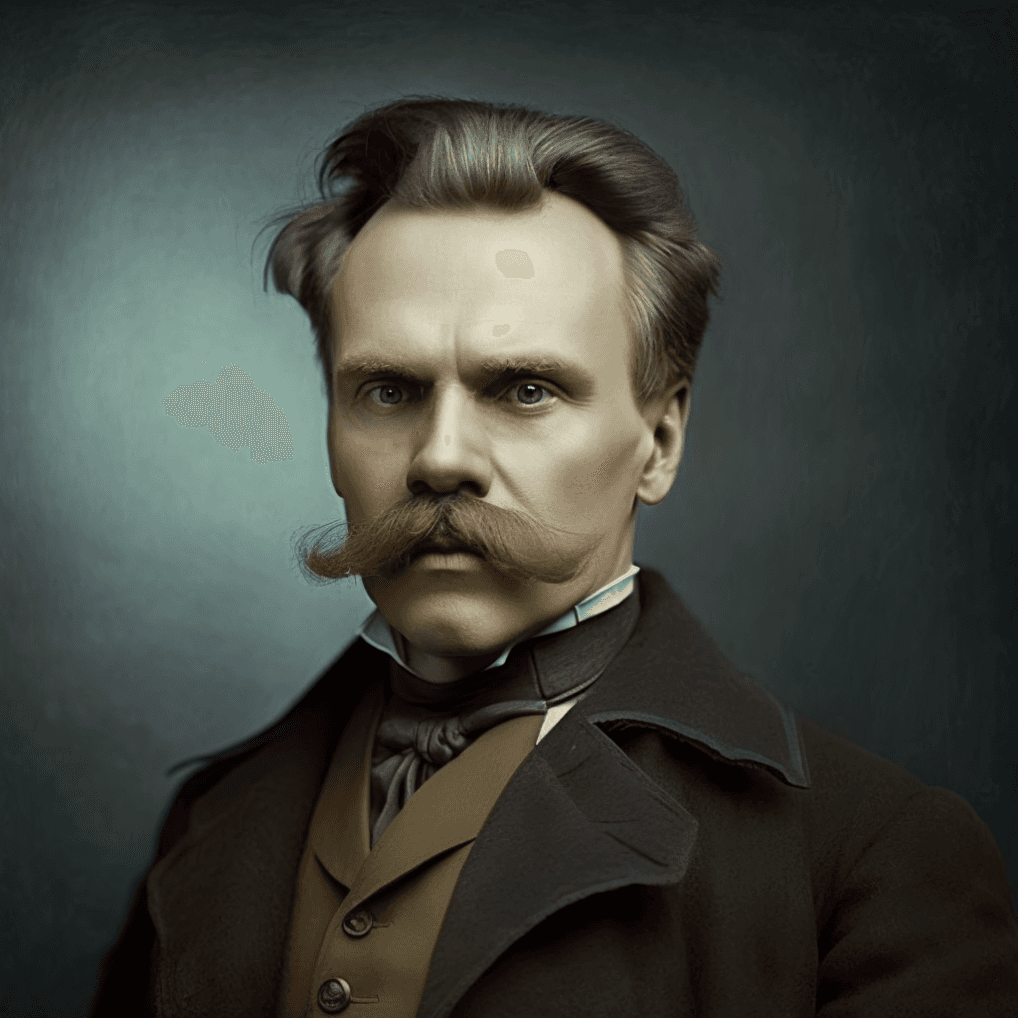
1844–1900
Philosopher • Critic of Modern Culture
This is a read-only educational profile. Chat, Council Mode, and AI features are not available for historical figures.
Friedrich Wilhelm Nietzsche was born on 15 October 1844 in Röcken, Prussia, the son of a Lutheran pastor who died when Friedrich was five, leaving the family in a household of women that included his grandmother and mother. He excelled at Schulpforta, studied classical philology at Bonn and Leipzig, and became professor at Basel at twenty-four before completing his doctorate—a meteoric academic rise driven by brilliance and patronage from Richard Wagner's circle. Nietzsche admired Wagner's music dramas early, then broke bitterly with the composer over nationalism, Christianity, and Wagner's Bayreuth cult. Chronic migraines, digestive illness, and eye strain plagued him, forcing resignation from teaching in 1879 and years of wandering between Swiss villages and Italian cities with minimal possessions.
In works such as Thus Spoke Zarathustra, Beyond Good and Evil, On the Genealogy of Morality, and The Birth of Tragedy, Nietzsche attacked herd morality, slave revolt in values, and the comfort of metaphysical consolation. He proclaimed "God is dead" not as atheist celebration but as diagnosis of cultural crisis: European civilization had undermined religious authority without replacing it with equal meaning. His concepts of the will to power, eternal recurrence, and the Übermensch were often misread as political programs rather than experimental provocations written in aphorism, poetry, and polemic. He criticized anti-Semitism explicitly in his late writings, yet his sister Elisabeth Förster-Nietzsche later edited and forged materials to align him with Nazi ideology he would have despised.
A collapse in Turin on 3 January 1889 left Nietzsche mentally incapacitated; he spent his final decade in care under his sister's control and died in Weimar on 25 August 1900. Twentieth-century existentialists, psychoanalysts, postmodernists, and artists reclaimed him as a diagnostician of modern nihilism and a champion of creative life-affirmation. Misappropriations by fascist propagandists remain a cautionary chapter in intellectual history. Nietzsche's hammer struck at comfortable truths, insisting that philosophy must dance, sing, and risk offense if it is to matter to living bodies rather than academic committees alone.
Key moments across this figure's life and legacy
1844
Raised in a pastor's family in rural Prussia before academic training in philology.
1869
Appointed to a chair of classical philology at age twenty-four.
1879
Left academia due to illness and began itinerant writing across Europe.
1883
Released the first part of his most famous philosophical work.
1900
Died after a decade of mental collapse, leaving notebooks that shaped twentieth-century thought.
Landmarks that define this figure's contribution to history
Composed a philosophical novel in prophetic prose introducing the Übermensch and eternal recurrence.
Traced Christian and modern ethics to psychological drives for power and ressentiment.
Argued that Greek tragedy united Apollonian form and Dionysian chaos, reviving aesthetic philosophy.
Declared "God is dead" and challenged Platonic and Christian foundations of Western value systems.
How this figure shaped the world we inherit
Nietzsche forced modern philosophy to confront nihilism, the psychology of morality, and the limits of rational progress narratives, influencing existentialism, psychoanalysis, and literary modernism. The battle over his legacy—creative philosopher versus nationalist caricature—remains a central lesson in how texts are read and abused after their author's death.
Explore more profiles from the same era or field
Curated educational resources for further study
Discover historical art and educational content on our media channels