First Female British Prime Minister
Thatcher won three consecutive general elections (1979, 1983, 1987), the longest continuous tenure of any twentieth-century British premier.
Discover
Explore influential historical figures from science, philosophy, leadership, art, and culture.
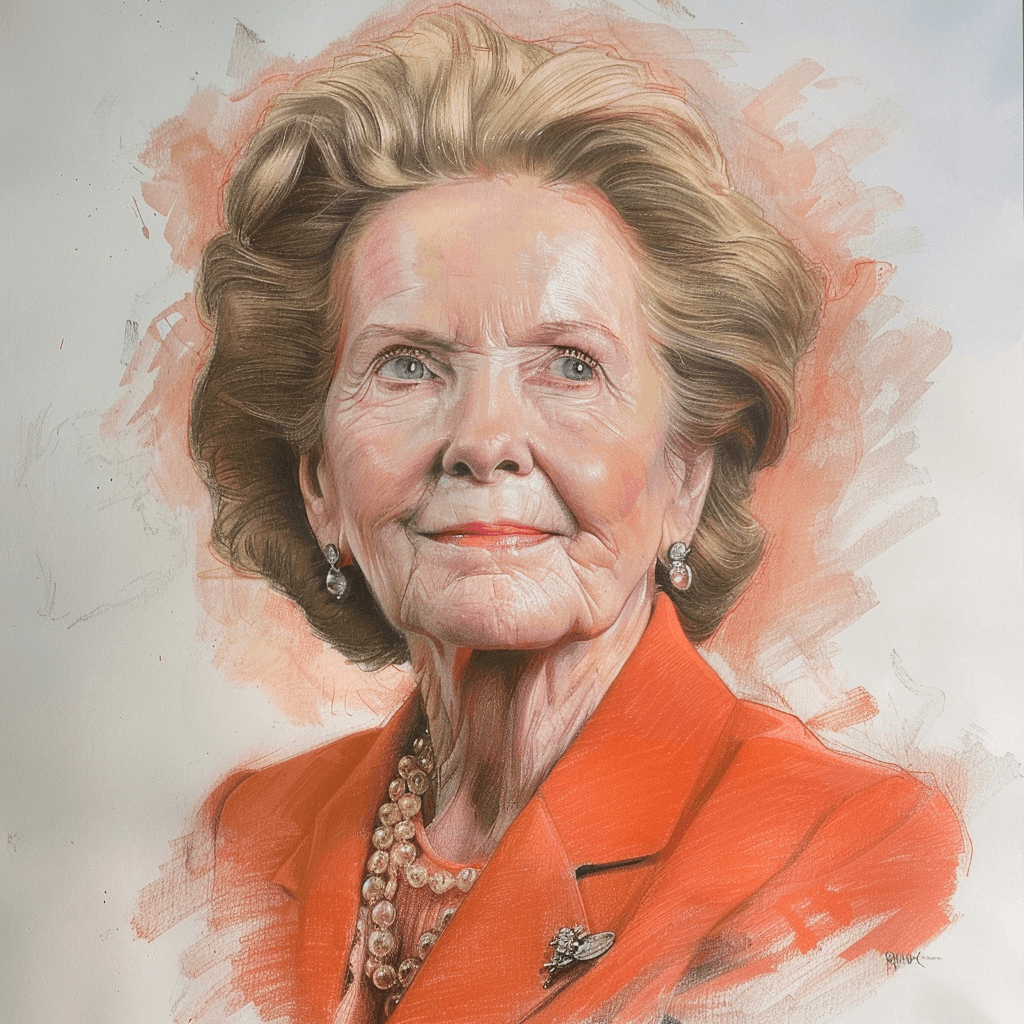
1925–2013
Prime Minister • Stateswoman • Iron Lady
This is a read-only educational profile. Chat, Council Mode, and AI features are not available for historical figures.
Margaret Hilda Roberts was born in 1925 above her father's grocery shop in Grantham, Lincolnshire. Educated at Oxford, she worked as a research chemist and barrister before entering Parliament in 1959. As education secretary she cut school milk funding, earning early notoriety, but her decisive leadership during the 1970s energy crisis helped her win the Conservative leadership in 1975.
Becoming prime minister in 1979, Thatcher pursued monetarist economics, sold off public utilities and council housing, and reduced top tax rates. She sent a task force to retake the Falkland Islands after Argentina's 1982 invasion, survived the IRA bombing of her Brighton hotel in 1984, and broke the National Union of Mineworkers after a year-long strike. Abroad she formed a close anti-Soviet partnership with U.S. President Ronald Reagan while cautiously engaging Mikhail Gorbachev.
Rising poll taxes and cabinet disputes over European integration eroded her authority. Forced to resign in November 1990, she remained in the House of Lords as Baroness Thatcher and an influential voice in Conservative politics until her death in 2013. Supporters credit her with reversing British decline; critics emphasize rising inequality and industrial job losses.
Key moments across this figure's life and legacy
1925
Raised by Methodist parents who emphasized thrift and self-reliance, she won a scholarship to study chemistry at Oxford.
1979
The Conservatives defeated James Callaghan's Labour government amid strikes and economic stagnation remembered as the 'Winter of Discontent.'
1984
A protracted confrontation with the NUM ended in union defeat and accelerated pit closures across coalfield communities.
1984
The IRA attack on her party conference killed five people; Thatcher insisted the conference continue the next morning.
1990
Michael Heseltine's leadership challenge and waning cabinet support led her to step down after more than eleven years in office.
Landmarks that define this figure's contribution to history
Thatcher won three consecutive general elections (1979, 1983, 1987), the longest continuous tenure of any twentieth-century British premier.
Her government dispatched a naval task force that recaptured the islands in 1982, boosting national morale and her political standing.
She sold state-owned telecom, gas, and airline assets to private investors, reshaping Britain's mixed economy toward market principles.
Working with Reagan, she supported NATO rearmament and later welcomed Soviet reform while maintaining firm anti-communist rhetoric.
How this figure shaped the world we inherit
Thatcherism—privatization, deregulation, and skepticism of welfare-state consensus—redefined British politics and influenced market reforms from Chile to Eastern Europe. Her tenure remains a touchstone in debates over economic inequality, union power, and the role of the state in industrial societies.
Explore more profiles from the same era or field
Curated educational resources for further study
Discover historical art and educational content on our media channels