Anti-Apartheid Leadership
Played a central role in mobilizing resistance against racial segregation laws.
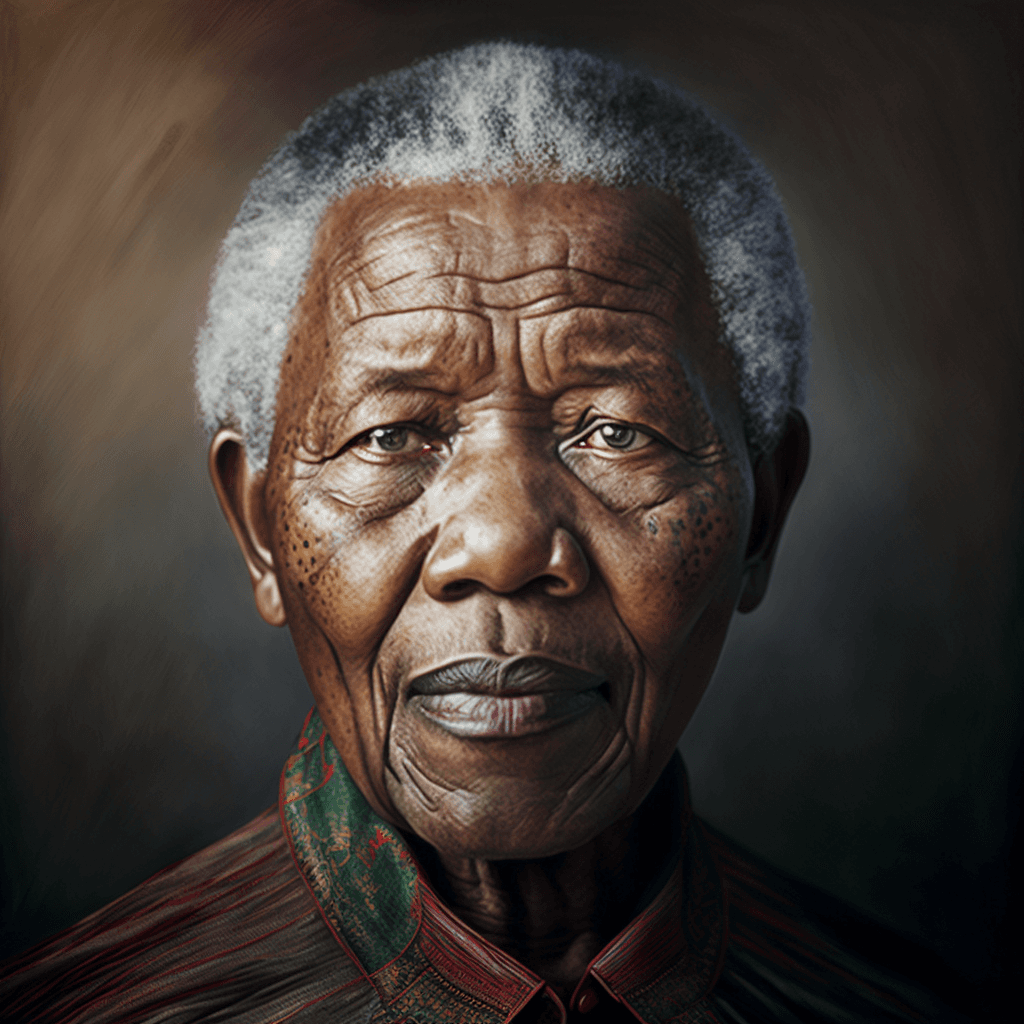
1918-2013
Statesman - Anti-Apartheid Leader - Reconciler
Nelson Rolihlahla Mandela nació en el Cabo Oriental y se formó en derecho antes de convertirse en un organizador clave en el Congreso Nacional Africano. Enfrentando el racismo institucional del apartheid, pasó de la protesta no violenta a la resistencia armada bajo una represión creciente. Arrestado en 1962 y luego condenado a cadena perpetua, Mandela se convirtió en un símbolo internacional de resistencia.
Durante veintisiete años en prisión, gran parte de ellos en la Isla Robben, la estatura de Mandela creció a medida que la movilización anti-apartheid se intensificaba a nivel global. Liberado en 1990, negoció con el gobierno sudafricano para desmantelar las estructuras del apartheid y evitar un conflicto civil más amplio. Su liderazgo durante las negociaciones y la transición electoral combinó pragmatismo estratégico con autoridad moral.
Como primer presidente negro de Sudáfrica en 1994, Mandela enfatizó la reconciliación, el constitucionalismo y la construcción de instituciones, incluyendo el apoyo a la Comisión de Verdad y Reconciliación. Se retiró después de un mandato, reforzando las normas democráticas en un momento político frágil. El legado de Mandela perdura como un modelo de liderazgo con principios bajo una injusticia prolongada.
Momentos clave en la vida y el legado de esta figura
1918
Born into the Thembu royal lineage in South Africa.
1944
Became active in organized struggle against segregationist rule.
1964
Received life sentence and began long imprisonment.
1990
Freed after twenty-seven years and entered formal negotiations.
1994
Became president in South Africa's first democratic election.
Hitos que definen la contribución de esta figura a la historia
Played a central role in mobilizing resistance against racial segregation laws.
Converted symbolic authority into practical political settlement.
Led South Africa's first multiracial democratic government.
Supported post-conflict justice and social healing institutions.
Detalles notables sobre esta figura
Cómo esta figura moldeó el mundo que heredamos
Mandela demostró cómo se puede reconstruir la legitimidad política a través de la negociación, la transición constitucional y un liderazgo contenido tras una opresión sistémica. Su presidencia ofreció un ejemplo global de reconciliación post-autoritario sin borrar las demandas de justicia. A través de movimientos por los derechos humanos y la reforma democrática, su vida sigue siendo un punto de referencia para la ética en la gobernanza bajo condiciones extremas.
Influencia duradera a través de generaciones
Mandela demonstrated how political legitimacy can be rebuilt through negotiation, constitutional transition, and restrained leadership after systemic oppression. His presidency offered a global example of post-authoritarian reconciliation without erasing demands for justice. Across movements for human rights and democratic reform, his life remains a reference point for ethical statecraft under extreme conditions. Elected President (1994) remains a defining moment in Nelson Mandela's enduring reputation.
Más perfiles de la misma época o campo
Recursos educativos seleccionados para profundizar
Inicia una conversación privada con Historical Collection AI.